

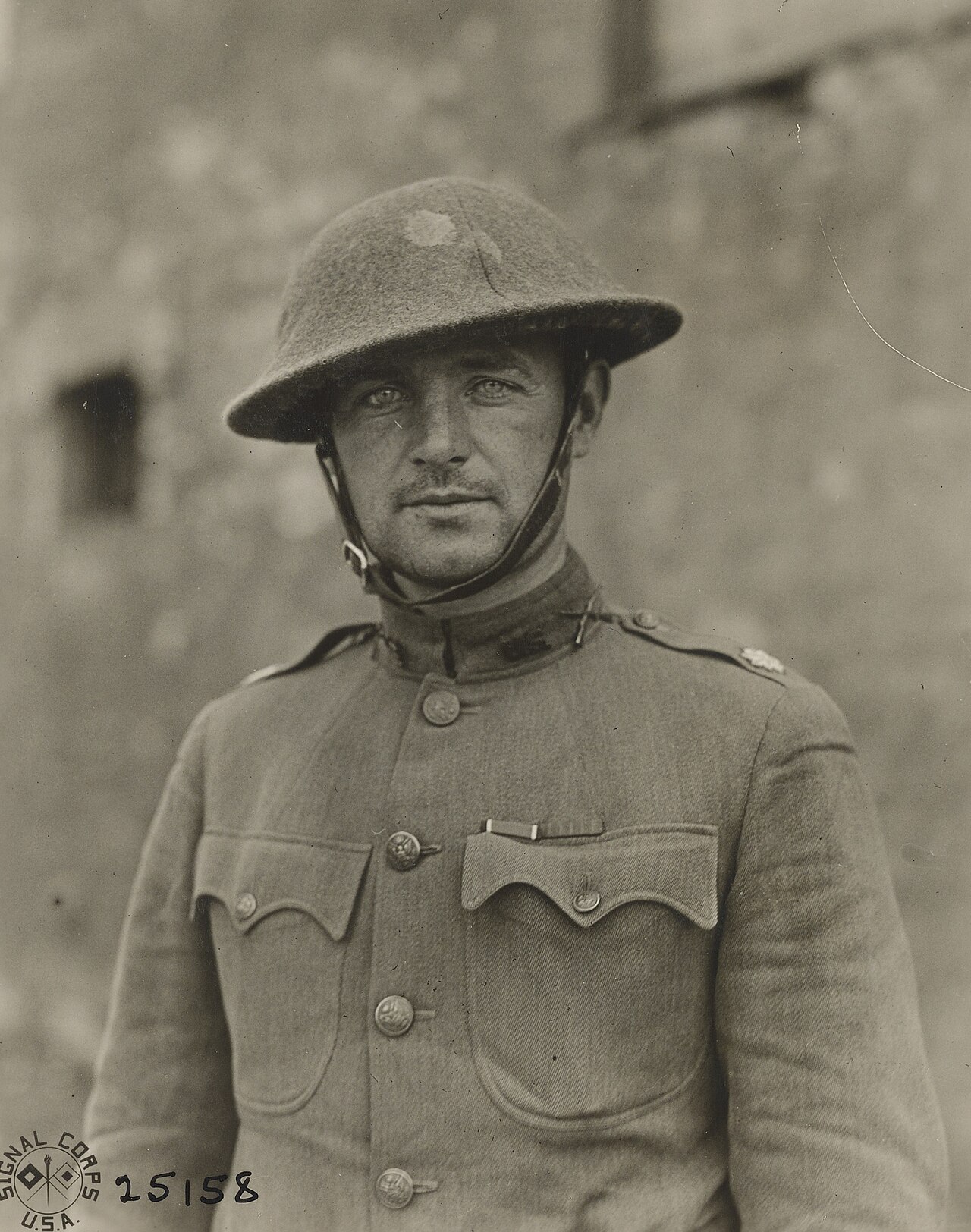
Wild Bill Donovan was the grandson of Irish immigrants to Buffalo, a Columbia law graduate in the same class as Franklin Roosevelt, and a man who never seemed able to stay behind a desk. In 1918, as a battalion commander with New York's Fighting 69th, he was hit three times in one action on the Ourcq and refused evacuation until his men were out. He came home with the Medal of Honor and, in time, the Distinguished Service Cross, the Distinguished Service Medal and the National Security Medal — the only American ever to hold all four.
Between the wars he built a Wall Street practice, ran for governor of New York and lost, and travelled constantly, sending Roosevelt long private assessments of Mussolini's Ethiopia, the Spanish Civil War and Hitler's Germany. In 1940 the President sent him to London as an unofficial envoy; he came back convinced that Britain would hold, and that the United States had no intelligence service worth the name.
In 1942 he was given one to build. The Office of Strategic Services grew to thirteen thousand people and did everything at once: agents into occupied Europe, Jedburgh teams parachuted to the Maquis before and after D-Day, Detachment 101 running Kachin guerrillas against the Japanese in Burma, research analysts in Washington inventing the trade of intelligence assessment, and a counter-intelligence branch reading Ultra. He recruited bankers, burglars, professors, film-makers and a chef named Julia Child, on the theory that unconventional work needs unconventional people.
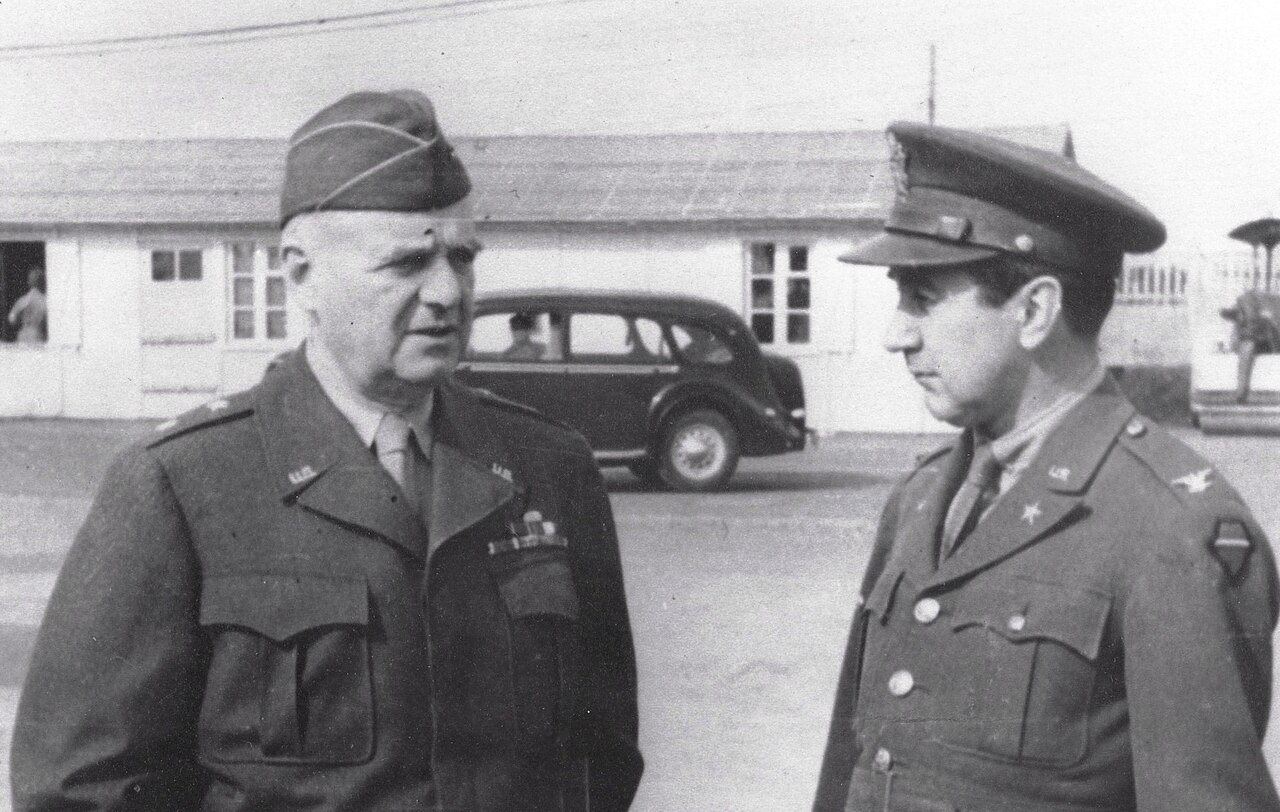
The OSS was disbanded within weeks of the war's end by a President who distrusted it, and Donovan never ran the service that replaced it. He argued for a permanent, civilian, peacetime intelligence agency until Congress created one in 1947. He spent his last years as ambassador to Thailand and died in 1959, his mind gone before his body.
A statue of him stands in the lobby at Langley. Every American special operations unit and every intelligence officer in the building traces a line back to the office he improvised in 1942.
Foto: Wikimedia Commons · Wikipedia