

William Darby was an Arkansas artillery officer, West Point 1933, who arrived in Northern Ireland in 1942 as an aide with the 34th Infantry Division and found the British Commandos training next door. On 19 June 1942 he was given permission to raise an American equivalent. He took five hundred volunteers out of thousands who applied, marched them to Achnacarry in the Scottish Highlands, and handed them to commando instructors who used live ammunition in training and buried the men it killed in a graveyard by the castle gate.
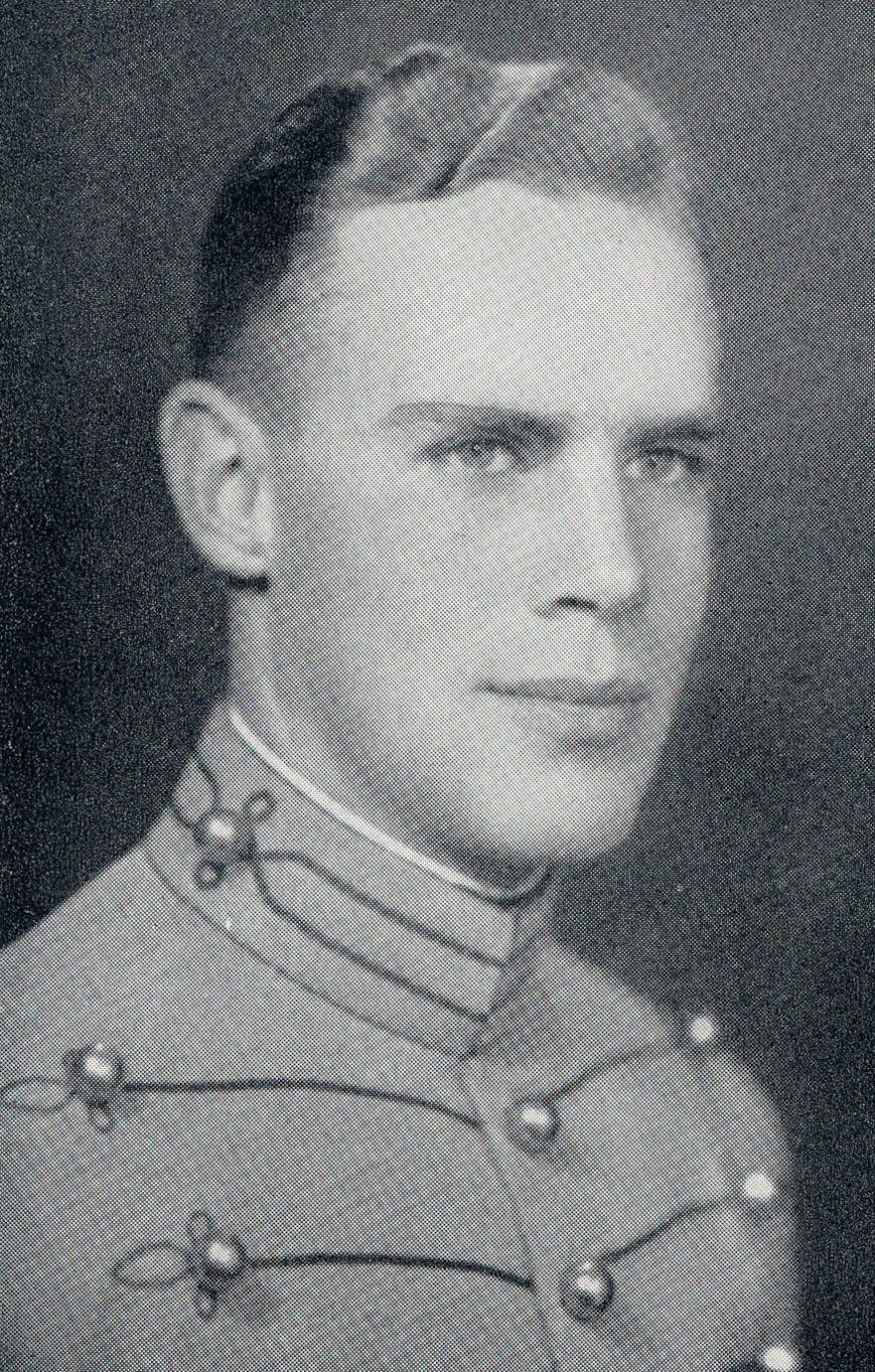
They were called the 1st Ranger Battalion. Fifty of them went ashore with the Canadians at Dieppe — the first American soldiers to fight on the ground in Europe in that war. In November 1942 the battalion took the fort at Arzew in the dark, ahead of the Torch landings, and Darby led it on through Sened Station, El Guettar and the Tunisian hills.
At Gela in Sicily his Rangers held the town against an Italian armoured counter-attack; Darby ran to a captured anti-tank gun and served it himself. He was offered a regiment and the promotion that came with it, and turned it down to stay with his three Ranger battalions — a decision the army found incomprehensible and his men never forgot.
Then came Cisterna. On 30 January 1944, infiltrating towards the town in the dark beyond the Anzio beachhead, the 1st and 3rd Ranger Battalions walked into a German assembly area. Of 767 men, six came back. Darby, commanding a sector of the beachhead, heard it happen over the radio and could do nothing.
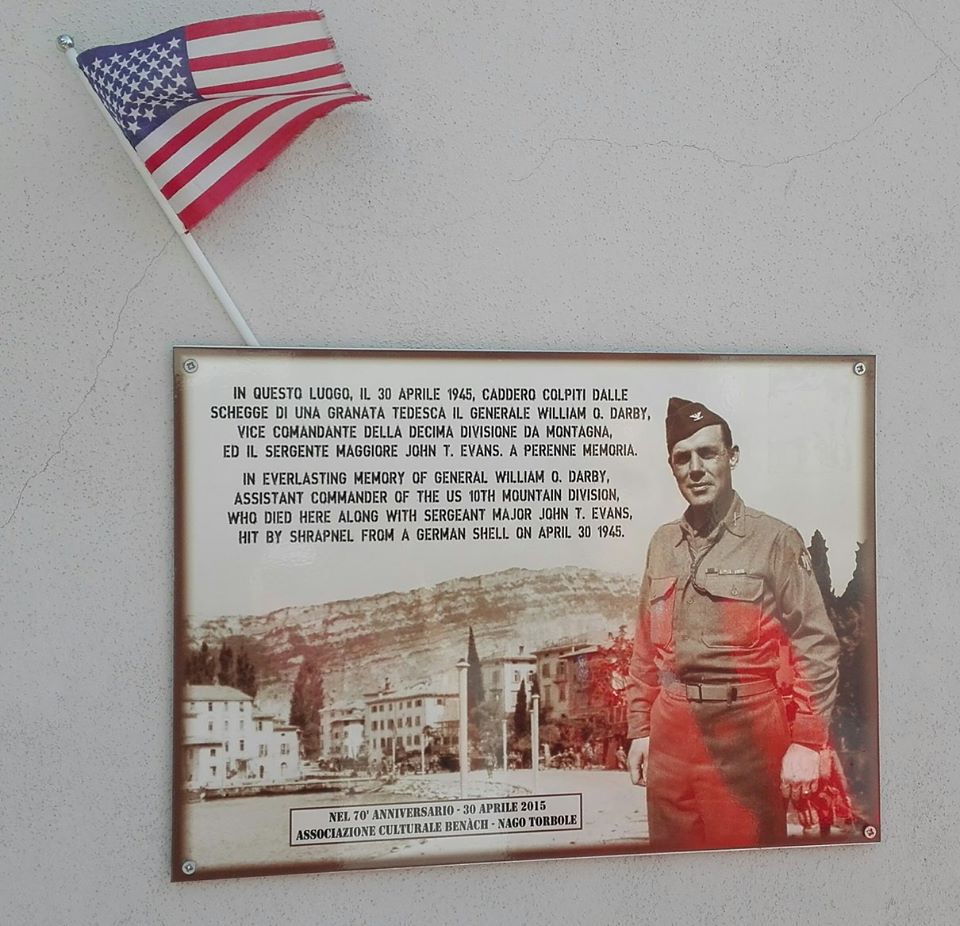
He was still in Italy fifteen months later, as assistant commander of the 10th Mountain Division. On the evening of 30 April 1945, in the lakeside village of Torbole, a single German shell landed in the street. He was thirty-four. Two days later the Germans in Italy surrendered. He was promoted brigadier general after his death — one of very few American officers of that war to be.
Foto: Wikimedia Commons · Wikipedia