

Simo Häyhä was a farmer from Rautjärvi, near what was then the Finnish–Soviet border: the seventh of eight children, a hunter and a skier, and from the age of seventeen a member of the Civil Guard, the volunteer militia whose shooting competitions he won so often that his mother's house ran out of shelf space for the trophies. He was five foot three. Nothing about him suggested what the winter of 1939 would make of him.
When the Soviet Union invaded Finland in November 1939, Häyhä went to the Kollaa front as an ordinary infantryman and started shooting. In a hundred days he is credited with around five hundred Soviet soldiers killed with his rifle, and a few hundred more with a submachine gun — the highest confirmed sniper tally of any major war. He worked in temperatures down to minus forty, in white camouflage, packing the snow in front of his position so the muzzle blast would not give him away and keeping a mouthful of snow so his breath would not steam.
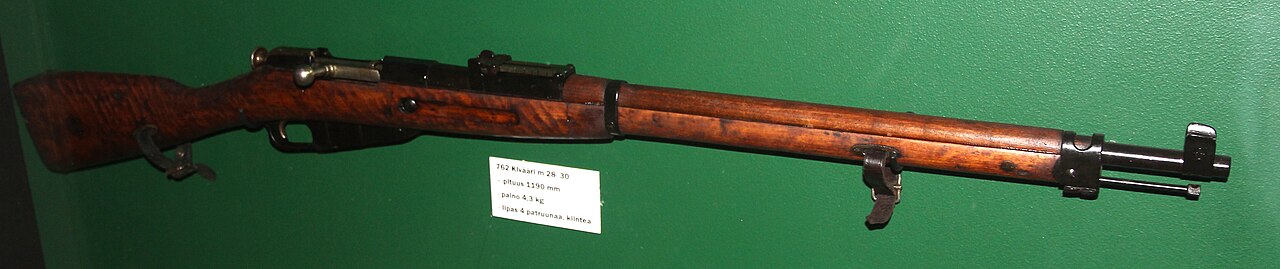
He used an ordinary M/28-30 rifle with iron sights and no scope. The reasons were practical: optics fog and glint in that cold, and a telescopic sight forces a man to lift his head a few centimetres higher. Those centimetres, he said, were the difference between shooting and being shot. The Red Army answered with counter-snipers, then artillery, then, at the end, an air strike on the position of the man they called Belaya Smert — the White Death.
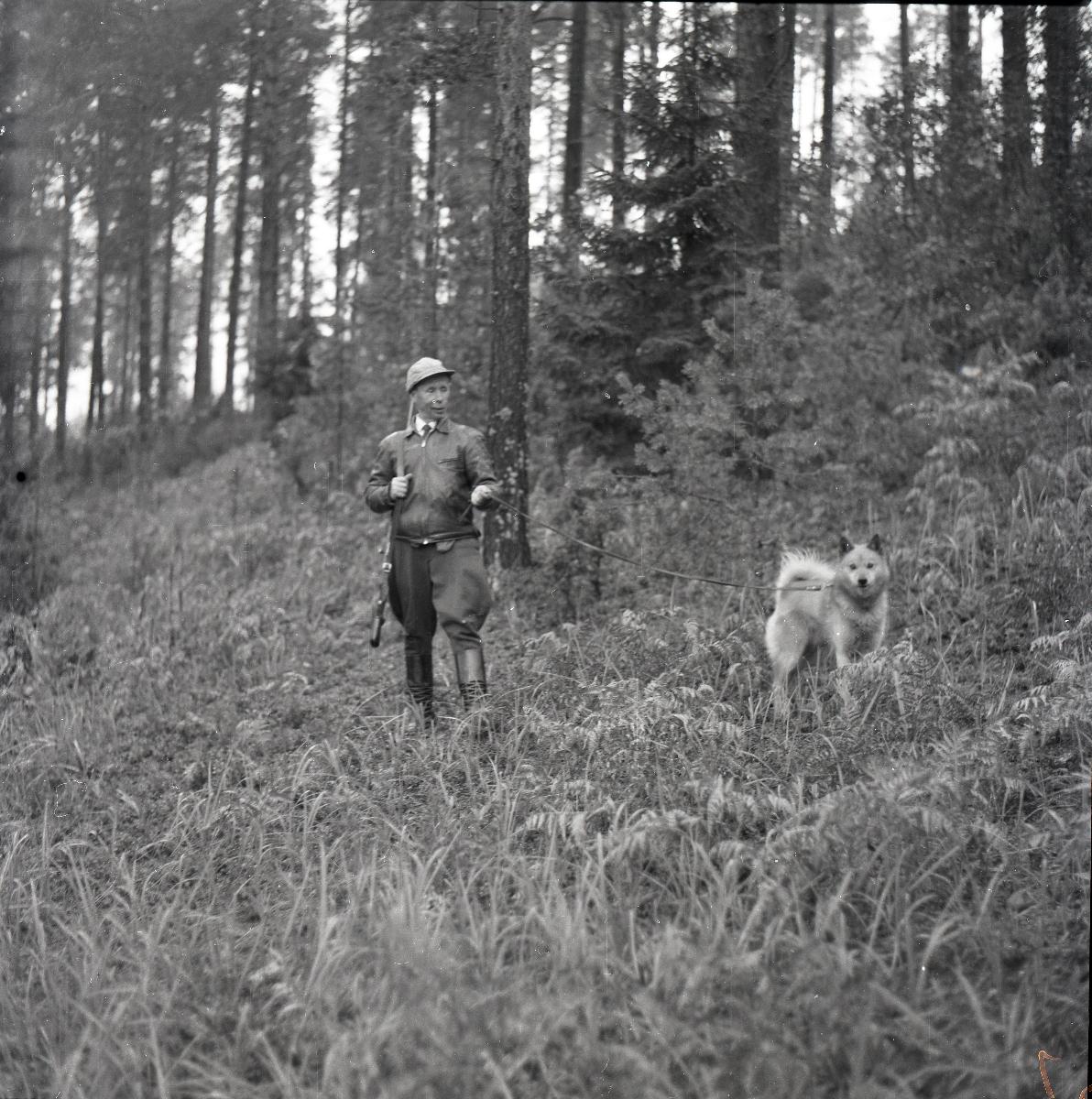
On 6 March 1940, a week before the war ended, an explosive round hit him in the jaw and took away the left side of his face. The soldiers who carried him out assumed he was dying. He woke on 13 March, the day peace was signed. It took twenty-six operations to rebuild the face, and he spent decades hunting moose and breeding dogs in the countryside, refusing most interviews and answering the question about the number the same way every time: he did what he was told to do, as well as he could.
He died in 2002, aged ninety-six. The private memoir he wrote in 1940 was found only in 2017.
Foto: Wikimedia Commons · Wikipedia