

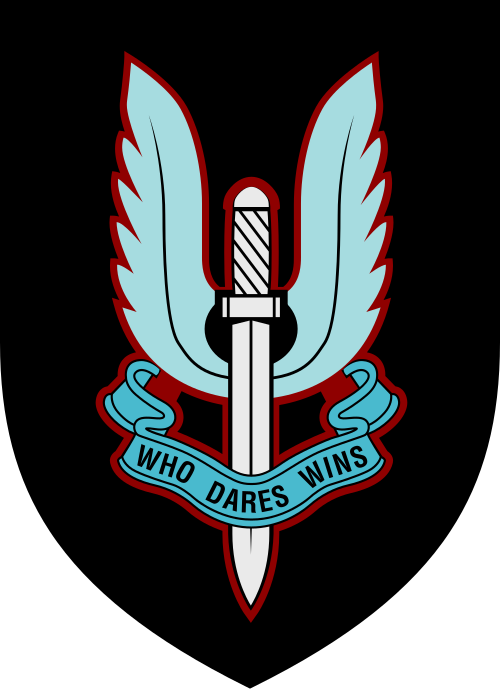
Before the war Blair Mayne was a solicitor from Newtownards who happened to be Irish Universities heavyweight boxing champion, a British Lion and an Ireland rugby international. He was six foot three and moved like a much smaller man. Stirling recruited him into the fledgling SAS in 1941 — by the story that has always followed him, out of arrest, after Mayne had struck his commanding officer.
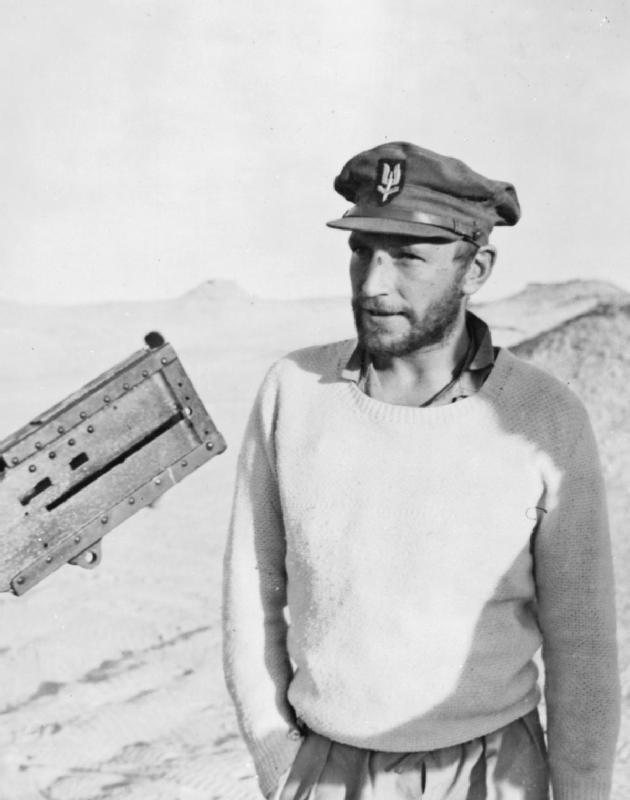
In the desert he turned out to have an unnerving talent for the work. At Tamet airfield in December 1941 his patrol destroyed two dozen aircraft; when the explosives ran out he is said to have torn an instrument panel out of a cockpit with his hands. Across the campaign he was credited with more enemy aircraft destroyed on the ground — well over a hundred — than any RAF pilot shot down in the air.
He commanded 1 SAS from 1943 through Sicily and Italy, then France and Germany with the jeep squadrons, driving hundreds of miles behind the German line. He was awarded the Distinguished Service Order four times, a distinction shared with only a handful of men in the entire war.
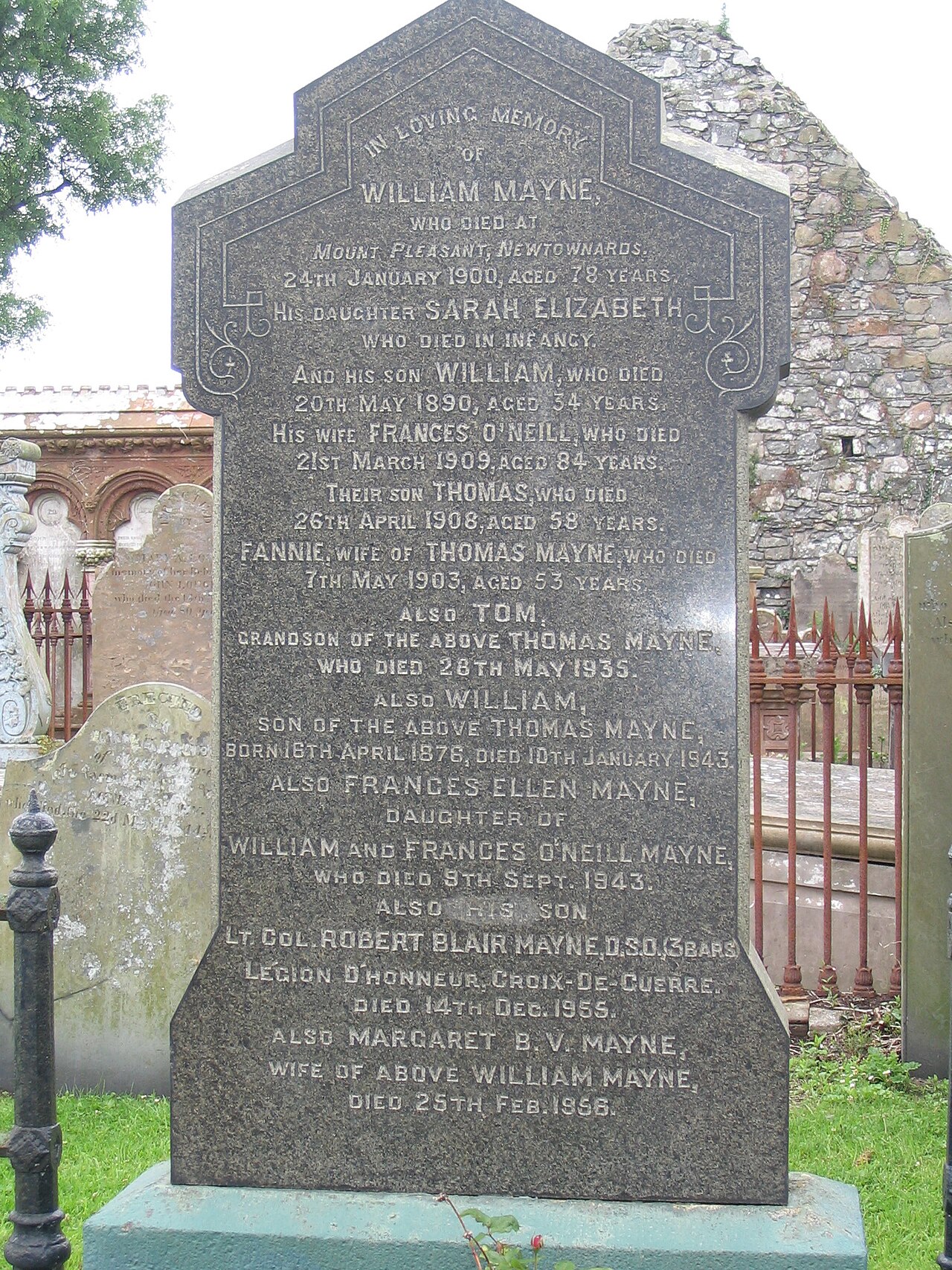
Recommended for the Victoria Cross after driving into Oldenburg under fire in April 1945 to bring his wounded out, he received a fourth DSO instead. King George VI remarked that the VC had 'so strangely eluded him', and the argument about why — his record of insubordination, the politics of the regiment, the paperwork — has never stopped.
Peace suited him less. He joined a British Antarctic survey, came back with a ruined spine, and returned to the family law practice in Newtownards. He drank. On 14 December 1955 he drove his Riley into a parked lorry a few streets from home and was killed instantly, at forty. Thousands lined the road for the funeral; there is a statue of him in the town square now, and a campaign that has run for decades to have the Cross awarded at last.
Foto: Wikimedia Commons · Wikipedia