

Orde Wingate was born in India to Plymouth Brethren parents, raised on the Old Testament and an austerity that never left him. He learned Arabic, served with the Sudan Defence Force, and in Mandatory Palestine in 1938 formed the Special Night Squads — mixed British and Jewish patrols that ambushed saboteurs along the oil pipeline. A young Moshe Dayan learned his trade in them, and Israeli soldiers still call Wingate ha-yedid, the friend.
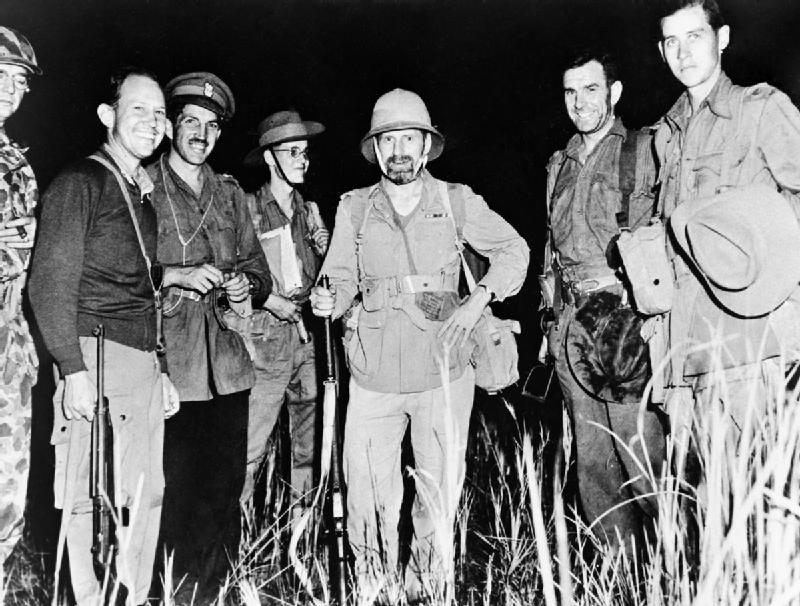
He was not an easy man. He ate raw onions off a string, briefed officers while naked and brushing himself down, carried an alarm clock and a fly whisk, and in Cairo in 1941, felled by malaria and despair, cut his own throat and survived. His superiors loathed him roughly as often as they were dazzled by him.
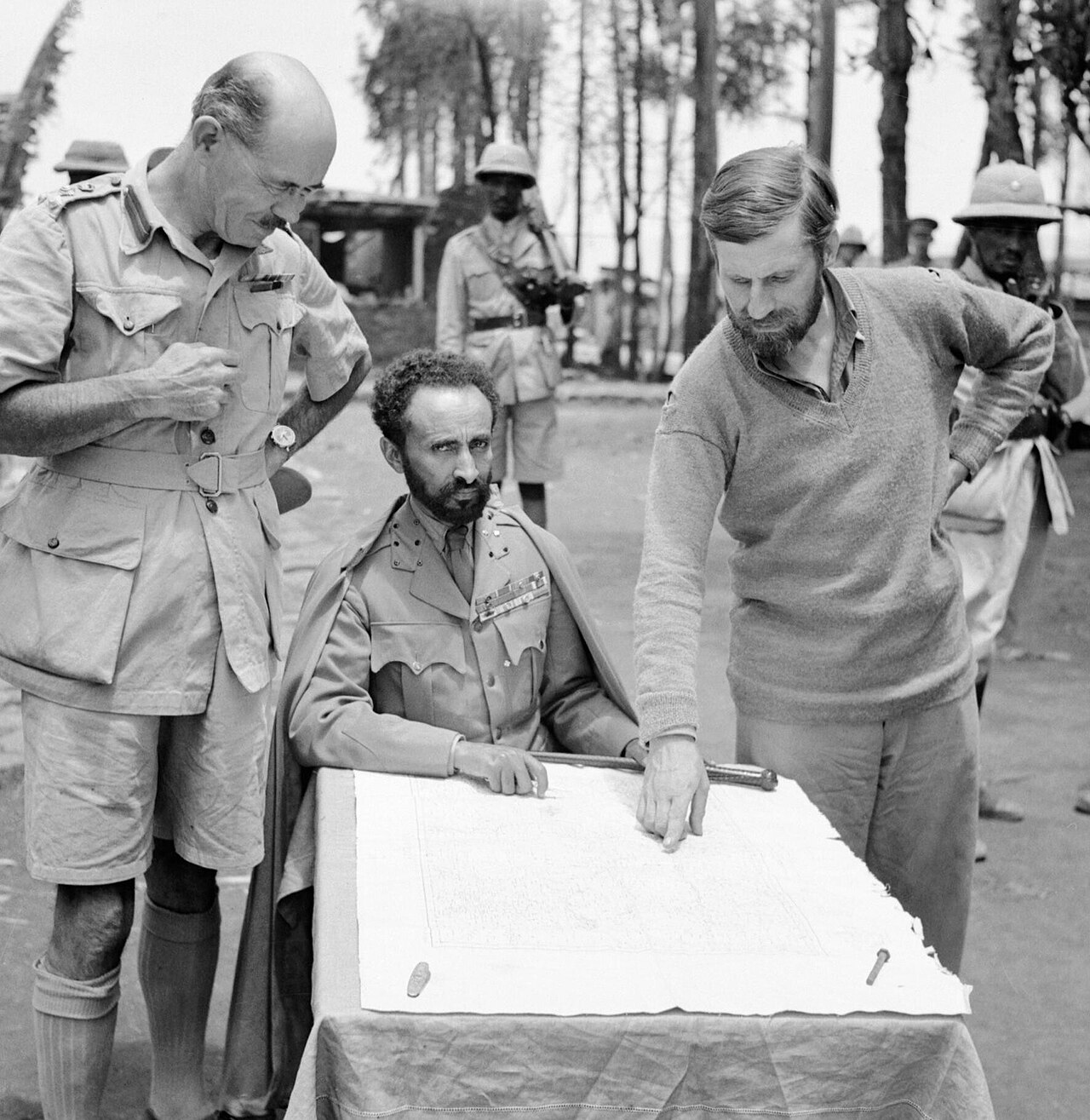
In 1941, with a few hundred Sudanese and Ethiopian irregulars he called Gideon Force, he marched into Abyssinia and helped restore Haile Selassie against an Italian army many times his strength. Churchill, reading the reports, wanted him for Burma.
There he built the Chindits: brigade-sized columns that walked into Japanese-held jungle, were supplied entirely from the air and lived on the move. The first operation in 1943 cost a third of the force and achieved little on the map, but it proved the theory and — as much as anything in that miserable theatre — restored the belief that British and Indian troops could work in jungle the Japanese thought was theirs. The second, Operation Thursday in 1944, flew whole brigades in by glider.
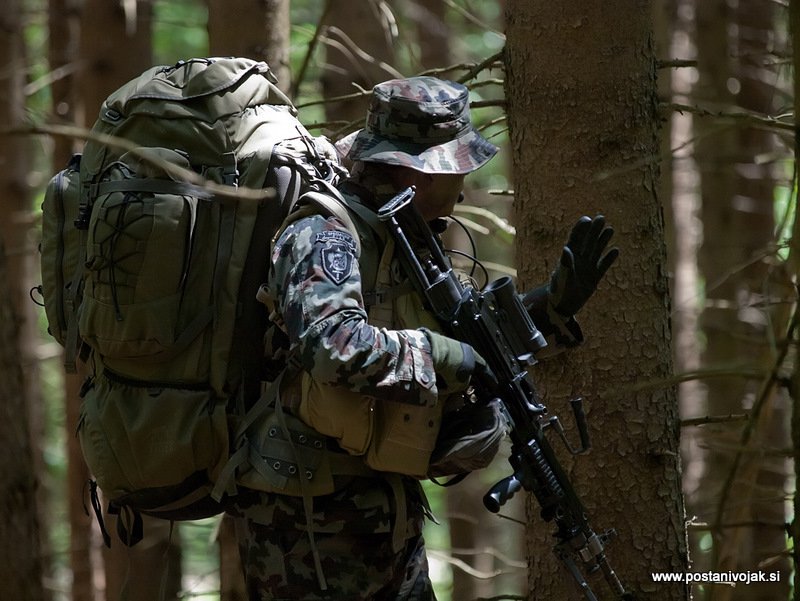
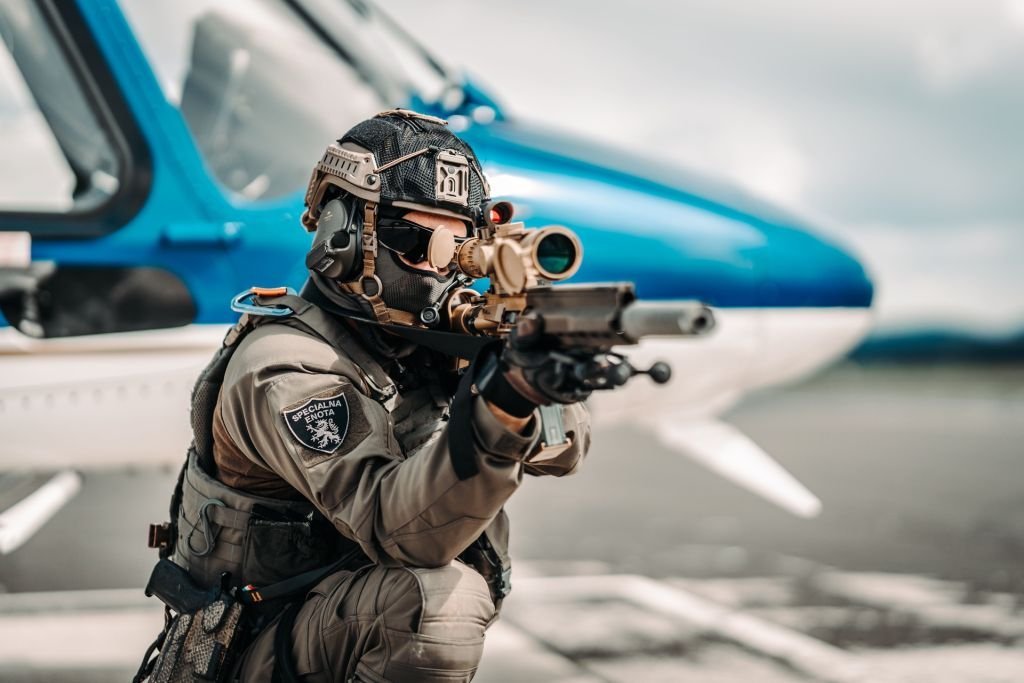
On 24 March 1944 the B-25 carrying him flew into a hillside in the Naga hills. He was forty-one. Because the American crew could not be separated from the British dead, all of them lie together at Arlington. The doctrine he argued for — small, self-contained, air-supplied units operating deep behind the line — is the doctrine behind half of this website.
Foto: Wikimedia Commons · Wikipedia