

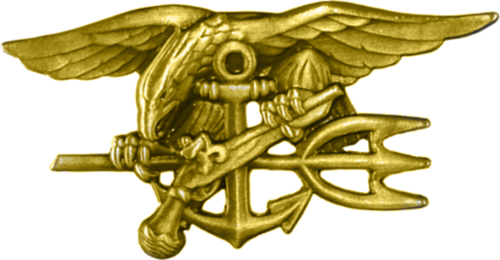
Marcus Luttrell and his twin brother started training for the SEALs at fourteen, in a yard in Willis, Texas, under an old Green Beret named Billy Shelton who lived nearby and agreed to make their lives difficult. Both of them made it.
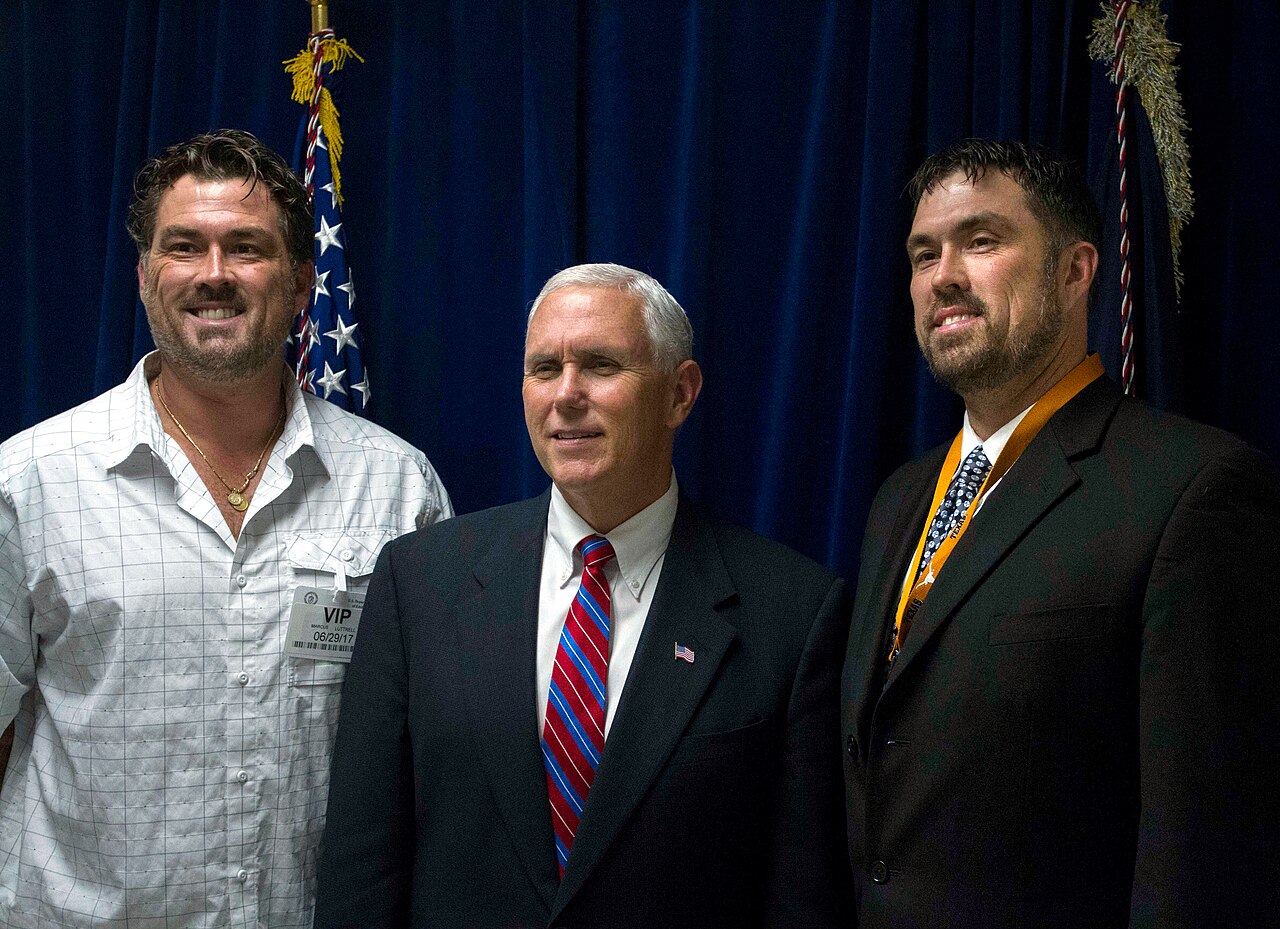
On 28 June 2005 he was one of four men on the ridge in Kunar when Operation Red Wings came apart. What followed was a running fight down a mountainside against a force estimated in the dozens, with the team firing and falling — Matthew Axelson, Danny Dietz and Michael Murphy all killed — until Luttrell was blown over a ridge by a rocket-propelled grenade, waking up hours later with a broken back, shrapnel through his legs and three of his vertebrae cracked.
He crawled seven miles. What saved him was not American. A Pashtun villager from Sabray, Mohammad Gulab, found him and carried him to the village, and the elders invoked Pashtunwali — the code that obliges a host to protect a guest even against his own people. The Taliban came and demanded him. The village refused, sheltered him for days, and sent a man on foot to the nearest American base with a note.
He was rescued in a night raid on 2 July, the only survivor of the four, and one of the very few men to come home from the worst day in the history of Naval Special Warfare. He was awarded the Navy Cross.
He wrote Lone Survivor, which became a film, and has spent the years since as a speaker and a campaigner for veterans. The details of the book have been argued about — numbers of enemy, distances, who said what on the ridge — and a soldier's memory under that much fire is not a court record. What is beyond argument is that he came out and three men did not, and that a village in Kunar risked everything for a stranger.
Foto: Wikimedia Commons · Wikipedia