

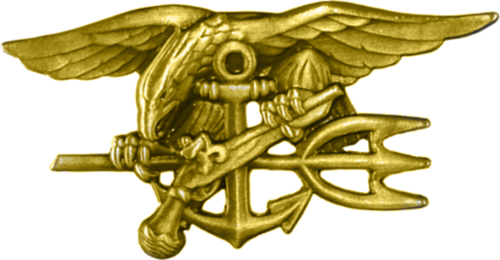
Jocko Willink enlisted in the Navy out of Connecticut, became a SEAL, and by 2006 commanded Task Unit Bruiser of SEAL Team 3 in Ramadi — the city that was then the most violent place in Iraq. Chris Kyle was in one of his platoons. His men spent months fighting street by street alongside American and Iraqi soldiers in a battle that was, for a while, being lost.
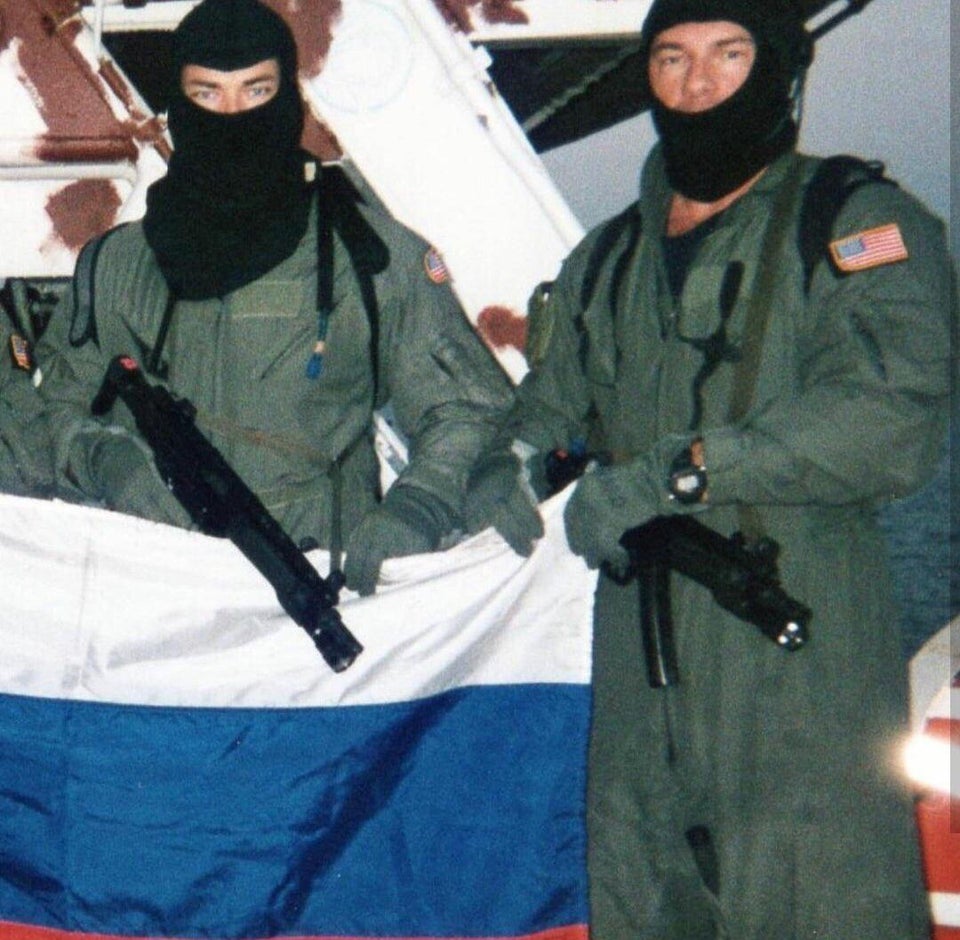
The story he has told more than any other from that year is not a victory. One morning in a contested quarter, a confused fight broke out in which his own men and Iraqi soldiers shot at each other. An Iraqi soldier was killed and an American wounded. In the review afterwards, with a general, a captain and a command master chief looking for who had made the error, Willink had worked through everything that had gone wrong and everybody who could be blamed — and then said the only person responsible was him, because he was in command and everything that happened was his.
That principle — extreme ownership — became a book, a consultancy and one of the most listened-to podcasts in the world. It has been taken up by companies far from any battlefield, sometimes in forms he would not recognise. The original version was simply the answer a lieutenant commander gave in a room in Ramadi when it would have been easier to point at someone else.
He came home with a Silver Star and a Bronze Star, ran training for the entire West Coast SEAL teams, and retired in 2010.
He gets up at half past four, posts a photograph of his watch, and has convinced a large part of the internet to do the same. Underneath the discipline industry is a straightforward idea: the leader owns everything, especially the failures.
Foto: Wikimedia Commons · Wikipedia