

Evans Carlson ran away from a Vermont parsonage at fourteen, lied about his age to enlist in the Army at sixteen, served in the Philippines and then in France, left — and joined the Marine Corps instead. He was in Shanghai in the 1920s and Nicaragua in the 1930s, and in 1937 he went into the Chinese interior as an observer with Mao Zedong's Eighth Route Army.
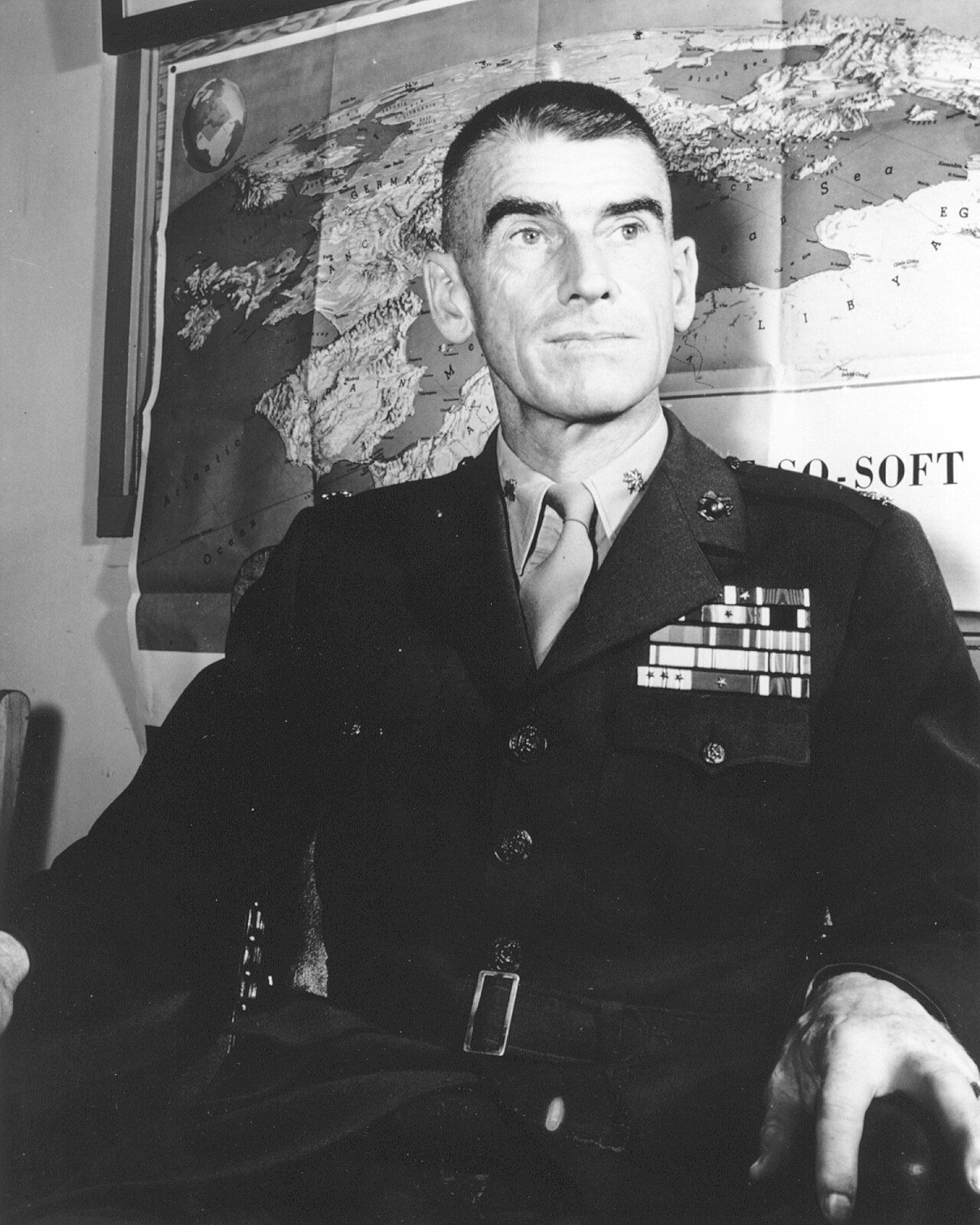
He marched with them for months and came back with two convictions. One was tactical: small, lightly equipped, self-reliant units that never stopped moving could tie up an army. The other was cultural, and it got him into trouble — that men fight better when they are told why, and that officers who eat what their men eat get more out of them. He also brought back a Chinese phrase for working together: gung ho.
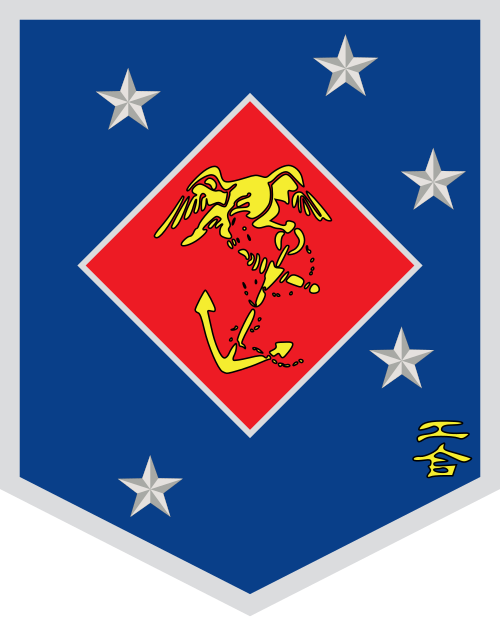
He resigned his commission to write and lecture about the war he could see coming in the Pacific, then rejoined when it came. In 1942 he raised the 2nd Raider Battalion and ran it on what he called ethical indoctrination — briefings that explained the purpose of a raid down to the last private, and discussion afterwards. The Marine Corps establishment watched him the way institutions watch heretics.
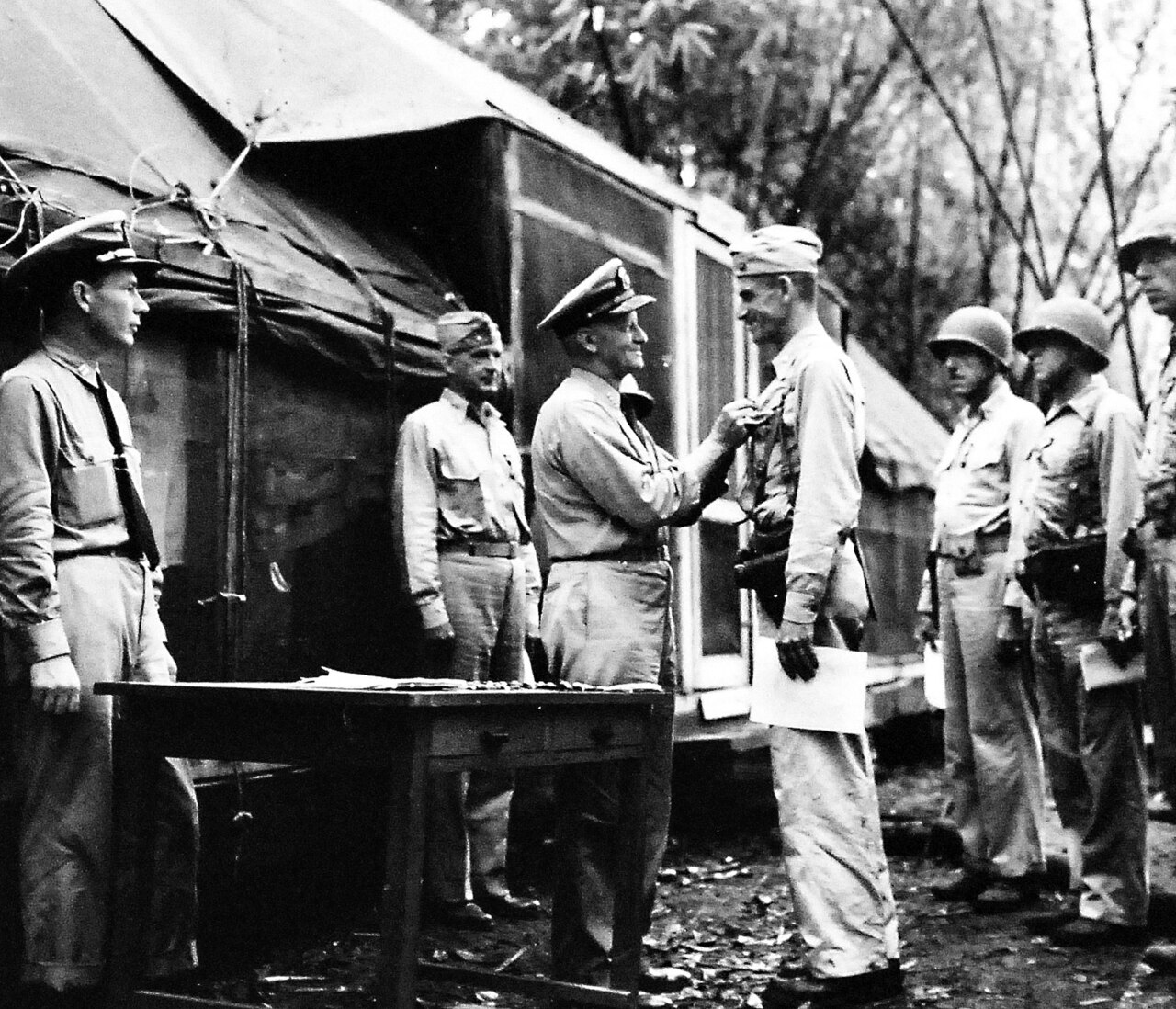
In August 1942 the Raiders were put ashore on Makin from two submarines to pull Japanese attention away from Guadalcanal. Then came the operation that made them: the Long Patrol — thirty days on foot behind Japanese lines on Guadalcanal, living on rice and tea and ambushing everything that moved. They killed close to five hundred Japanese soldiers and lost sixteen of their own.
He was wounded at Saipan in 1944 dragging a wounded radio operator to cover, and invalided home. The Raider battalions were disbanded that year — too irregular for a Corps that wanted uniform infantry. Afterwards his politics made him a suspect figure in an America turning towards the Cold War, and he died of heart disease in 1947, aged fifty-one. Every American special operations unit since has quietly run on his ideas.
Foto: Wikimedia Commons · Wikipedia