

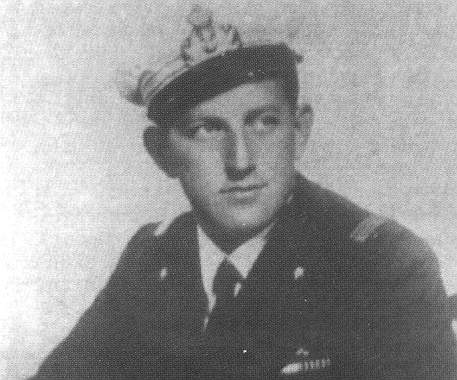
Luigi Durand de la Penne was a Genoese marquis and a naval academy graduate who joined the Italian Navy's assault craft flotilla in 1935, when riding a torpedo underwater was still an eccentric theory. The machine was called a siluro a lenta corsa; the men who rode it called it the maiale — the pig — because of how it handled.
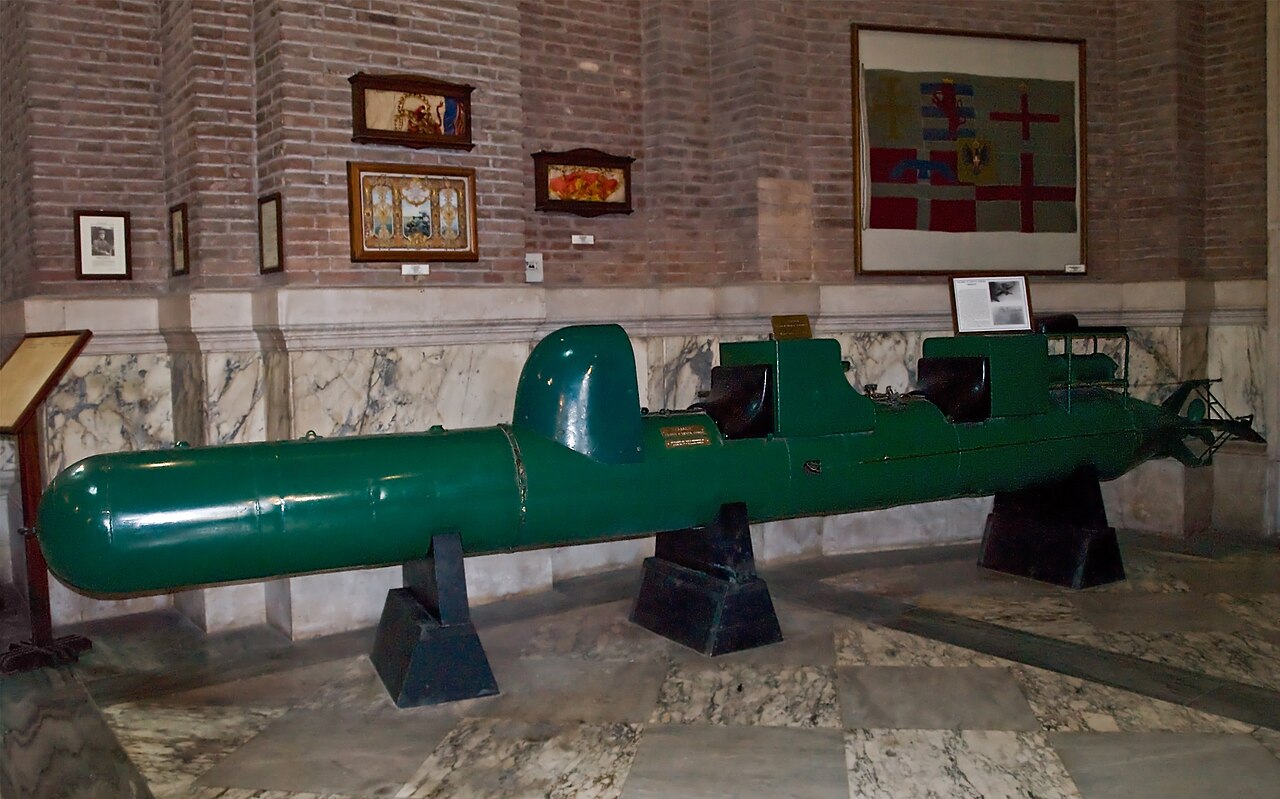
On the night of 18 December 1941 the submarine Scirè released three of them outside Alexandria harbour. De la Penne and his diver, Emilio Bianchi, got through the boom defences behind a British destroyer and reached the battleship HMS Valiant. Then everything went wrong: the pig's motor failed, Bianchi passed out from a faulty breathing set and floated away, and de la Penne dragged the machine and its three-hundred-kilo warhead along the harbour bottom by hand, alone, in blackness, until it lay under the battleship's keel. He set the fuse, surfaced, and was captured.
The British put him in a compartment deep in Valiant's hull — below the waterline, directly over his own charge — to make him talk. He said nothing until minutes before the explosion, then asked to see the captain and told him to get his crew on deck. He did not say where the charge was. The blast lifted the battleship and put her on the harbour bottom; the same night Queen Elizabeth, a tanker and a destroyer were also disabled. In one night six men took the Royal Navy's Mediterranean battle line out of the war.
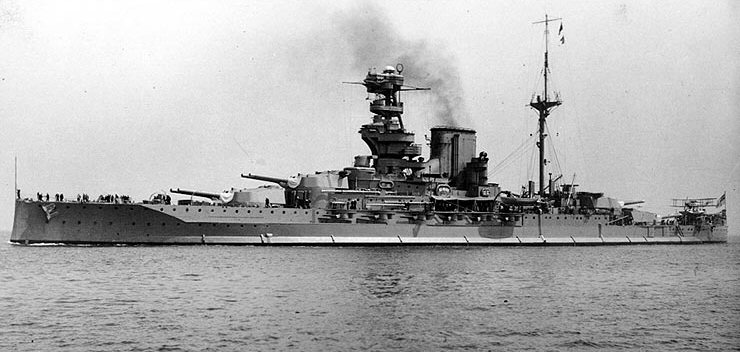
He spent the rest of the war as a prisoner, was released when Italy changed sides, and went on fighting — with the Allies. In 1945 the Italian Navy awarded him the Medaglia d'Oro al Valor Militare, and the officer who pinned it on him was Admiral Sir Charles Morgan, who had been Valiant's captain that night in Alexandria. Morgan had asked for the honour.
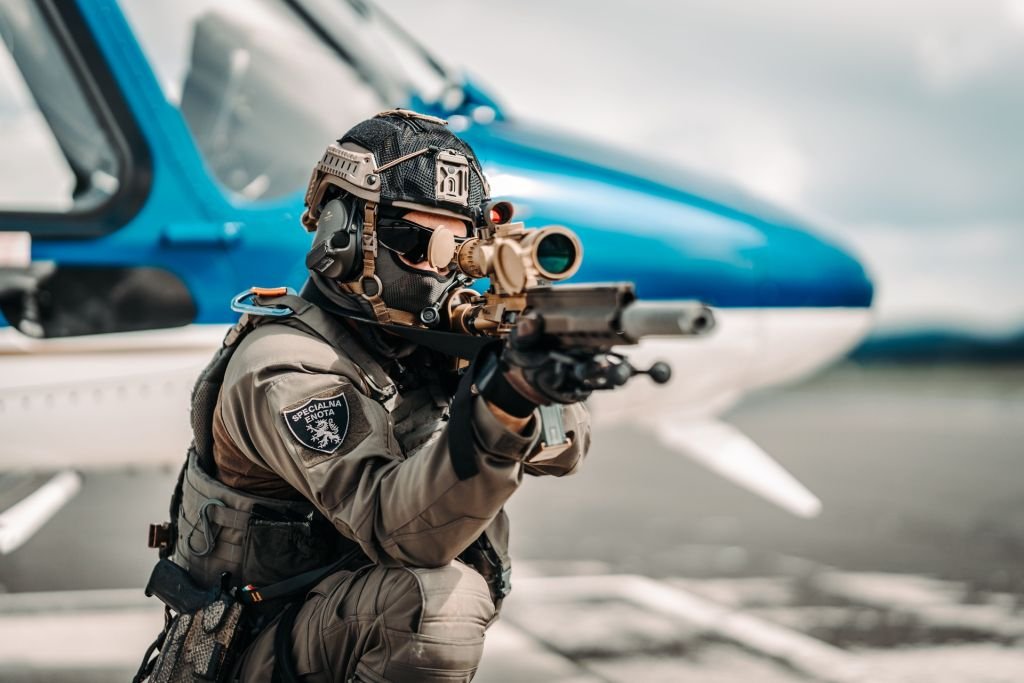
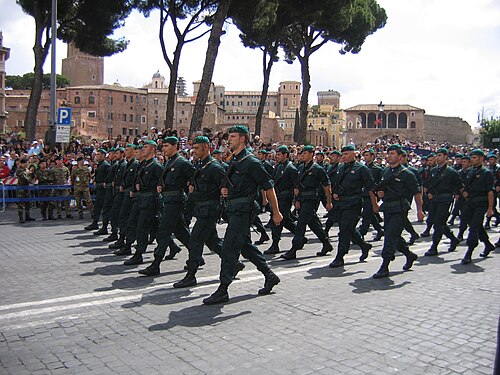
He became an admiral, then a member of parliament, and died in Genoa in 1992. Italy's naval commando unit, COMSUBIN, descends directly from his flotilla, and there is a destroyer in the Italian fleet that carries his name.
Foto: Wikimedia Commons · Wikipedia