

David Stirling
 “The Phantom Major” · United Kingdom · Special Air Service
David Stirling was a Scots Guards subaltern who had been a poor student, an indifferent officer and an aspiring mountaineer — he intended to climb Everest — before the war gave him something he was good at. He volunteered for the commandos, and in 1941 broke his back in a parachute jump that should never have been attempted. He spent weeks in a Cairo hospital, and used them to write a paper.
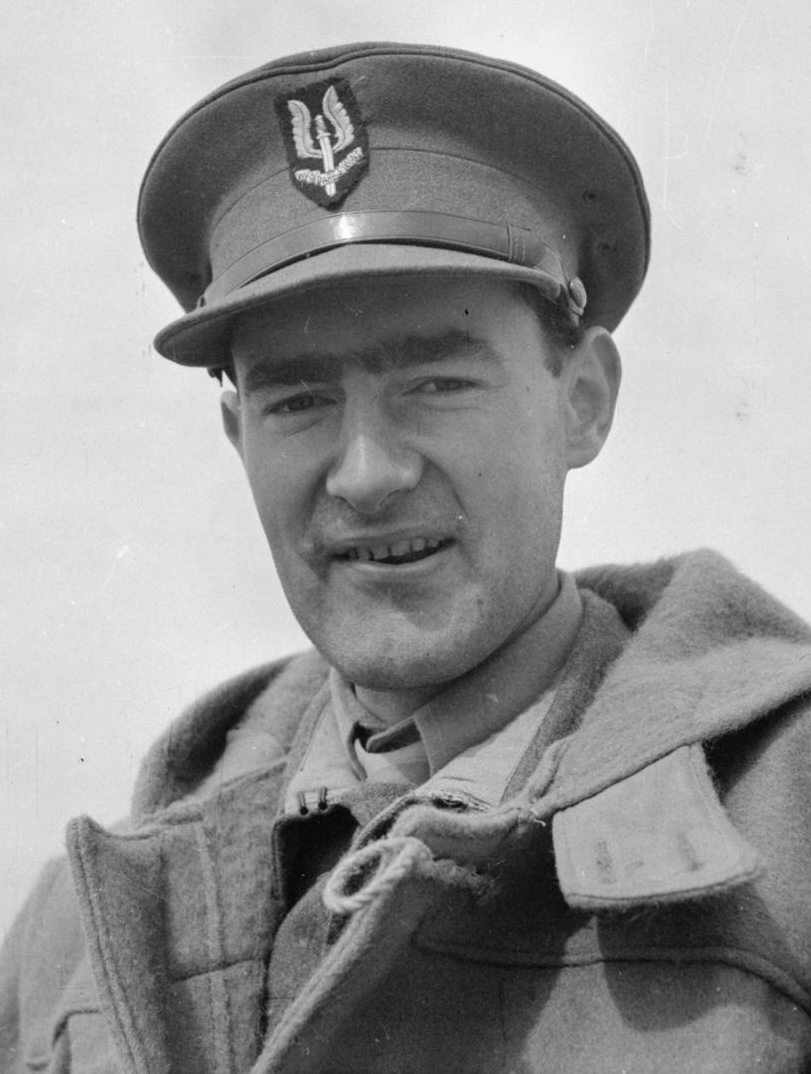
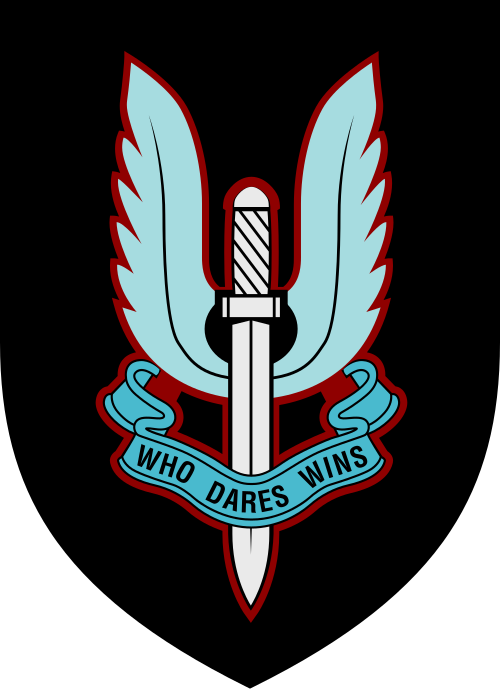
The argument was simple: the enormous set-piece raids then in fashion were wasteful, and a handful of trained men landed behind the line could destroy more aircraft in a night than a squadron could shoot down in a month. Unable to get an appointment, he hobbled on crutches through a gap in the wire at Middle East Headquarters, dodged the guards, walked into the deputy commander's office and pitched it. He was twenty-five. He left with permission to raise sixty-six men — and a deliberately meaningless name, L Detachment, Special Air Service Brigade, invented to make German intelligence believe Britain had an airborne division in Egypt.
The first operation, parachuting into a November gale in 1941, was a catastrophe: of fifty-five men, twenty-two came back. Stirling changed the method rather than the idea and had the Long Range Desert Group drive them in instead. What followed is the founding legend of every unit on this site — jeeps loaded with fuel and Vickers guns, driven onto Axis airfields at night, hundreds of aircraft destroyed on the ground. Rommel called him the Phantom Major.
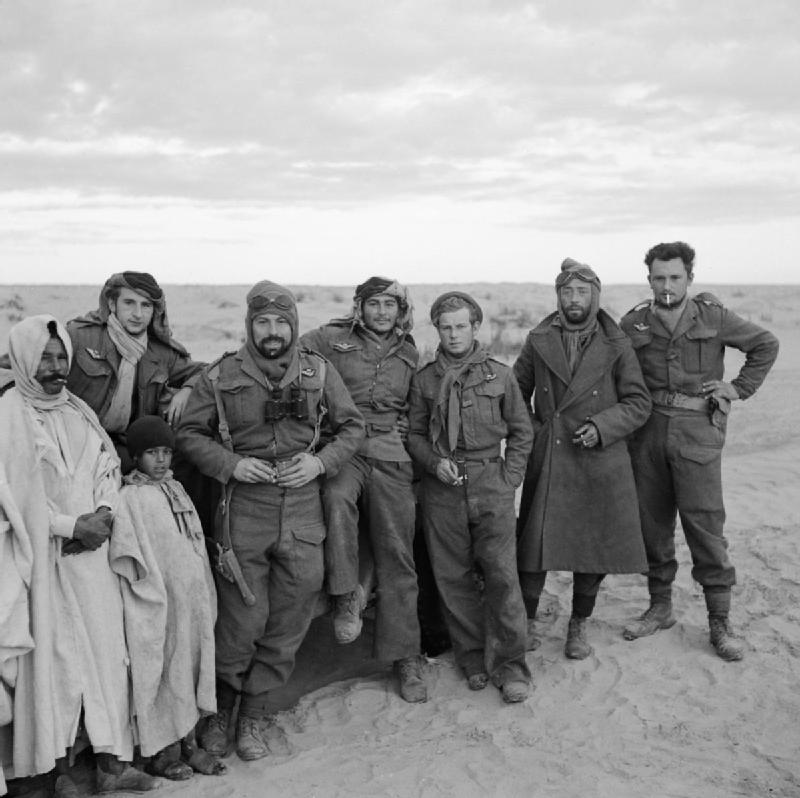
He was caught in Tunisia in January 1943 by a German unit formed specifically to hunt him, escaped four times, and finished the war in Colditz. The regiment went on without him, which was always the point.
The rest of his life is more complicated, and the catalogue does not tidy it. He founded the Capricorn Africa Society against racial discrimination — while arguing for a restricted franchise rather than one man, one vote — ran some of the first private military companies, and was linked to a failed plot against Gaddafi and to schemes against British trade unions that went nowhere. He was knighted in 1990 and died the same year. The SAS he invented in a hospital bed is now copied by every army that can afford one.
Foto: Wikimedia Commons · Wikipedia