
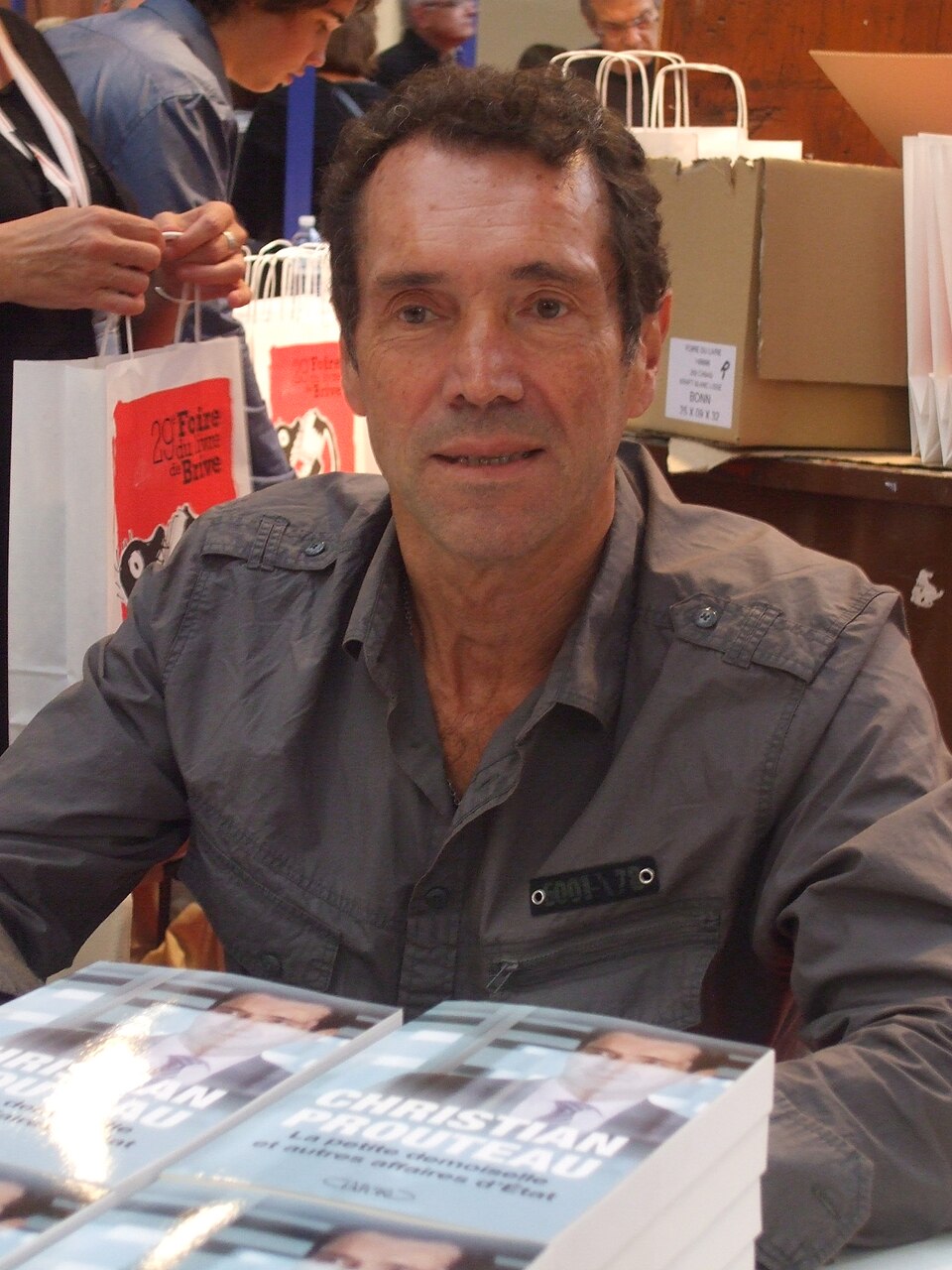
Christian Prouteau came out of Saint-Cyr in 1969, transferred to the Gendarmerie and was teaching commando techniques when Munich happened. France's answer, like Germany's, was to build something that had not existed before, and in 1973 the job of organising it went to a twenty-nine-year-old lieutenant.
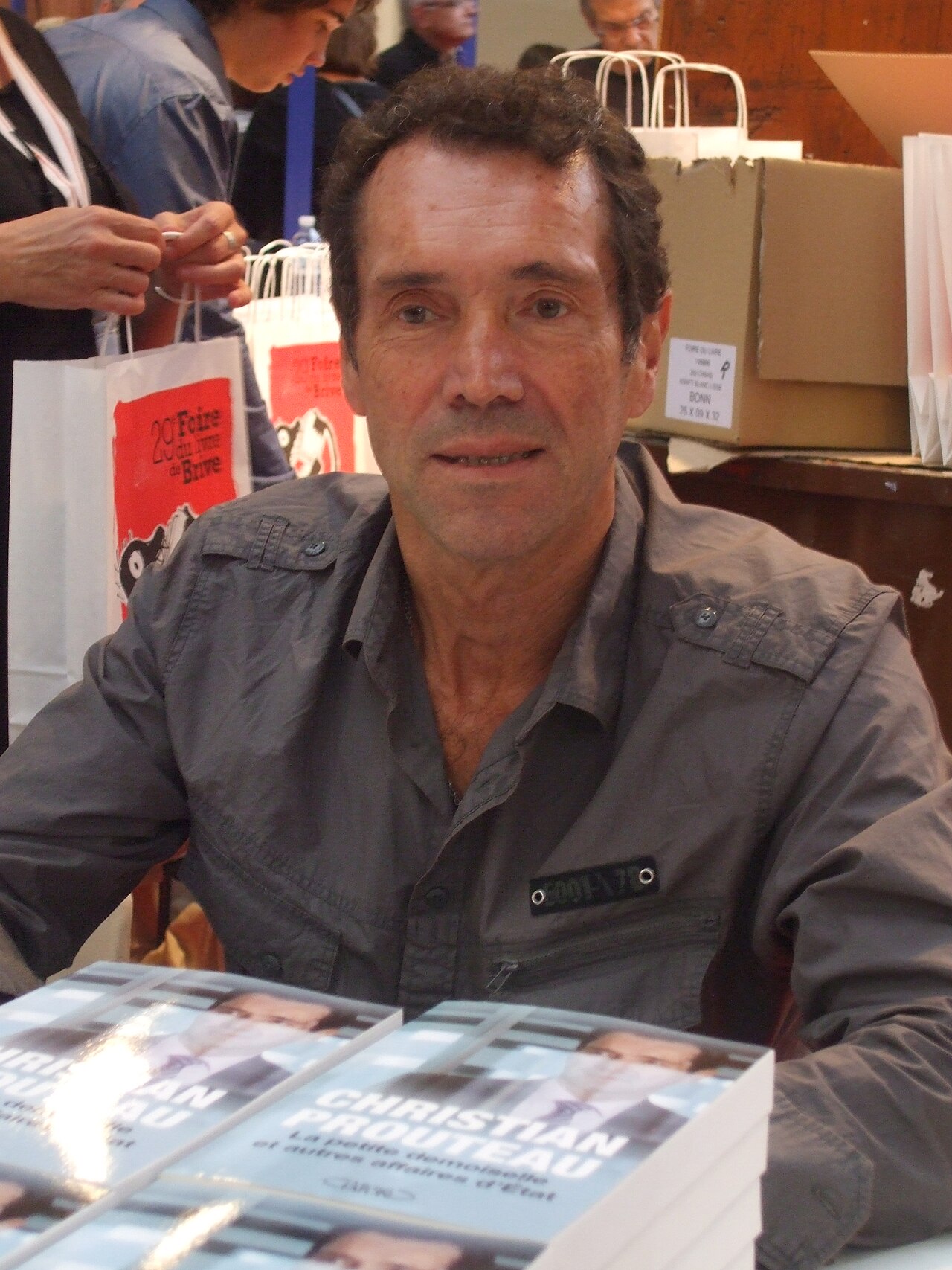
The Groupe d'Intervention de la Gendarmerie Nationale was small, selective and built on a principle Prouteau insisted on from the start: that the point is to end the incident without firing if it can be done, and that a gendarme who can talk is worth more than one who can only shoot. GIGN's selection still washes out most candidates, and its marksmen still train to a standard other units treat as theoretical.
He commanded it for nine years and sixty-four operations. The best known came in 1976 at Loyada in Djibouti, where a school bus of French children was held at the Somali border: GIGN snipers took the hostage-takers simultaneously on a single command, and thirty of the thirty-one children came home. In 1979 he and two of his men were sent to advise the Saudis during the seizure of the Grand Mosque in Mecca — a mission France has never fully described. In 1980 he was badly wounded in the arm during an intervention.
In 1982 President Mitterrand made him head of the Élysée's anti-terrorist cell, and that is where the story turns. The cell wiretapped journalists and others, and in the 'Irish of Vincennes' affair three men were arrested on evidence that had been planted. Prouteau received suspended sentences in 1991 and again, over the wiretaps, in 2005.
He organised the security of the 1992 Winter Olympics at Albertville and retired as a prefect. The unit he built at twenty-nine is one of the three or four best in the world, and French gendarmes still describe its doctrine in his words.
Foto: Wikimedia Commons · Wikipedia