

Aaron Bank was the son of Russian Jewish immigrants in New York, a lifeguard who had worked the beaches at Biarritz and spoke fluent French and German. He was nearly forty and considered too old for combat when he enlisted in 1942, which is roughly how he ended up in the Office of Strategic Services instead.
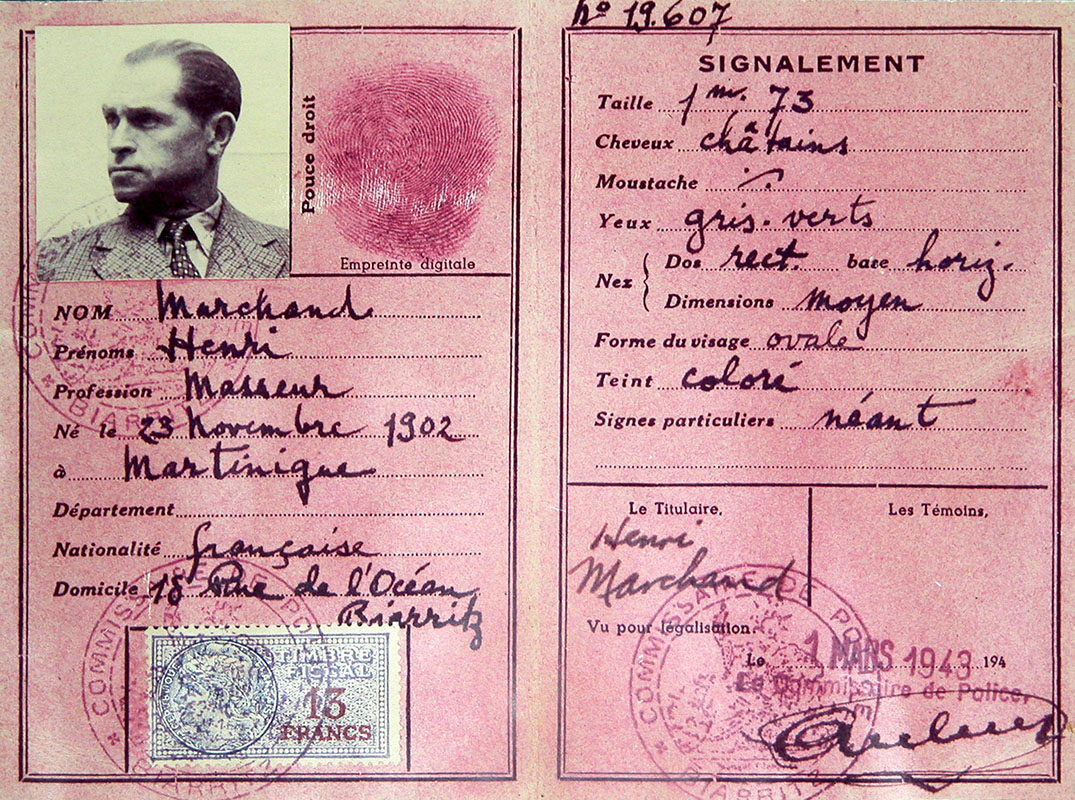
In July 1944 he jumped into the Lozère as the leader of Jedburgh team Packard — three-man teams dropped in uniform to arm, train and direct the Maquis before and after the landings. He fought with them through the liberation of southern France, and learned the lesson that shaped the rest of his life: a handful of trained outsiders can turn local anger into an army.
His next assignment did not come off. Operation Iron Cross was Bank's own idea: take a hundred and seventy-five anti-Nazi German prisoners, dress them and himself in Wehrmacht uniform, drop them into the Bavarian Alps and capture Hitler alive in his redoubt. Headquarters approved it. The Führer never went to Bavaria, and the operation was cancelled before it flew.
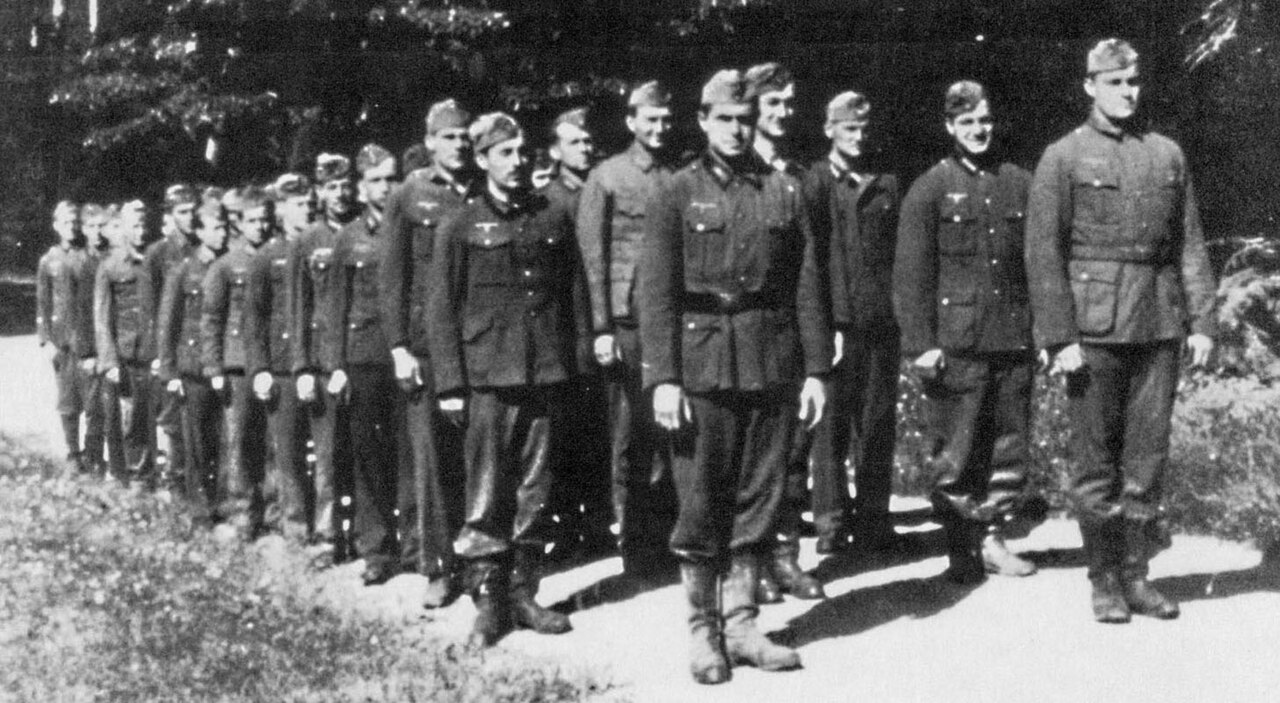
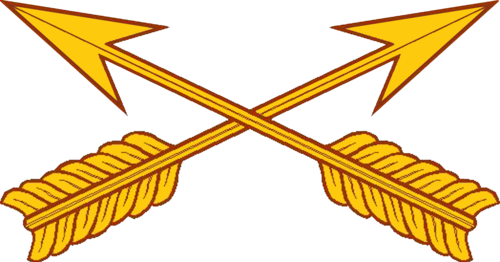
After the war he watched the OSS dismantled and spent years arguing that the United States needed a permanent unconventional-warfare capability — a force to raise guerrillas behind an enemy's lines rather than fight in front of them. In June 1952 he got his answer: the 10th Special Forces Group at Fort Bragg, ten men on the first day, with Colonel Aaron Bank as its first commander. Many of the volunteers were European émigrés who spoke the languages of the countries they expected to be dropped into.
The green beret came later and unofficially, and President Kennedy made it regulation in 1961. Bank retired in 1958, spent his later years warning anyone who would listen about terrorism and the vulnerability of nuclear plants — advice that is one reason those plants are guarded as they are — and died in 2004, aged a hundred and one.
Foto: Wikimedia Commons · Wikipedia